
Africa is undergoing a profound period of change. In the 1950’s and 60’s that change was from colonization to independence. In the 1990’s and into this century, the change is equally profound. The change is the trend toward democratic and free market reform.
APLC’s role is to:
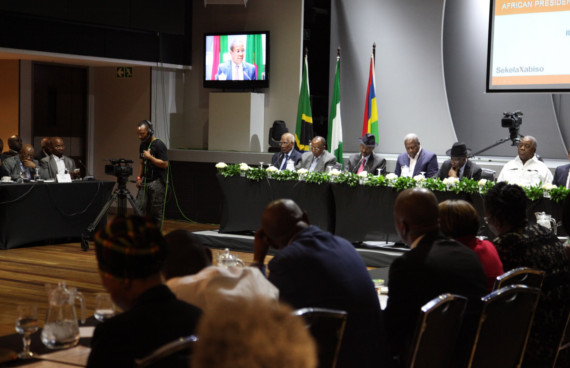
APLC’s five major programs offer particularly unique insights into contemporary trends and developments in Africa.
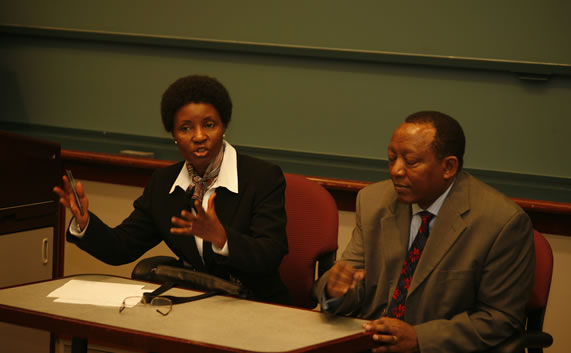
This is a legacy program based on the Boston University model. The purpose of the program is to provide a university-based residency for a democratically retired African head of state and government at an African University. During their tenures, the President-In-Residence will speak at various venues throughout the continent (and the world), focusing on issues of political and economic development as they relate to Africa.
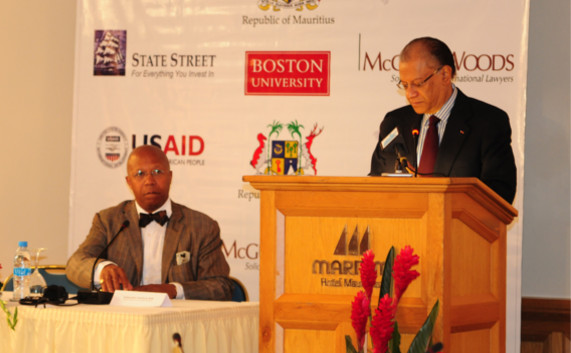
This is an oral and documentary history project focusing on current trends and developments in Africa. It provides APLC with an opportunity to chronicle the present period of dynamic change in Africa through the “eyes of the architects” of those changes – past and present heads of state, public and private sector leaders in Africa.
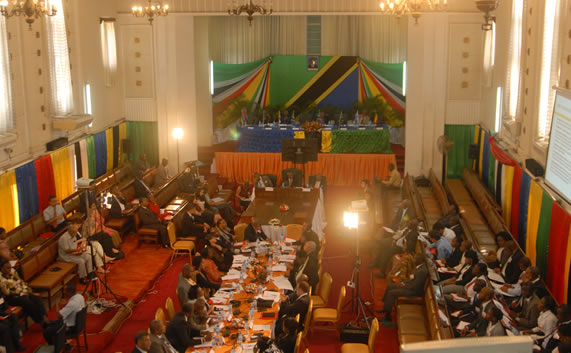
Is an annual report presenting the perspectives of selected African heads of state relative to their respective countries and regions. The Report not only catalogues the “vision” and strategies of contemporary African heads of state for future generations of scholars, but it enables us to disseminate the “African point of view” to those presently involved in setting policy and shaping opinions about Africa.
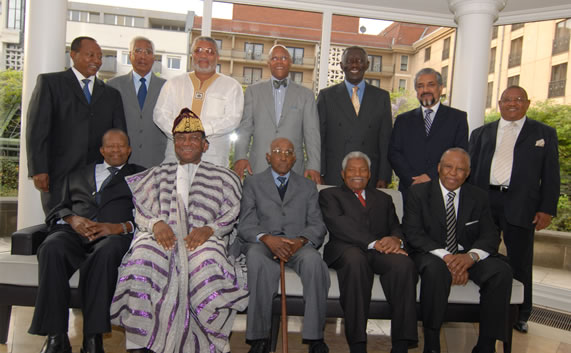
Is an annual gathering of former heads of state, policy makers and public sector leaders. Discussants come together on a yearly basis to deliberate on issues of growth and development as they pertain to the continent.
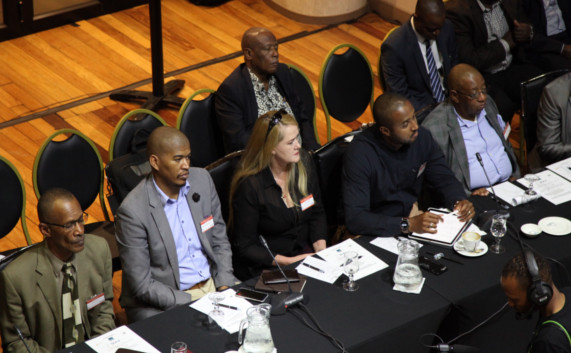
This is a partnership between APLC, HBCU’s and African Universities that is designed to provide students at the partnering institution with access to the full range of APLC’s programs. Partnering institutions are: